HVAC Guide
Everything Coronado Homeowners Need to Know About HVAC Systems
Keeping your home comfortable through Coronado's warm, dry climate requires a reliable HVAC system. Whether you're dealing with an unexpected repair, planning a replacement, or simply trying to get the most out of your current setup, understanding your heating and cooling system is the first step.
In this comprehensive guide, we'll walk you through the most common HVAC problems in our area, how to spot warning signs, what to expect from professional service, and practical ways to improve efficiency and lower your energy costs.
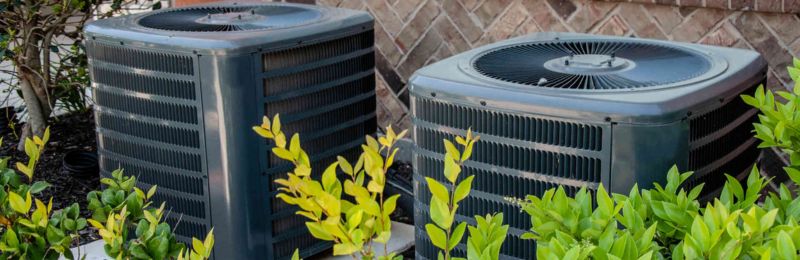
Common HVAC Issues in Coronado Homes
Coronado's warm inland climate places unique demands on residential HVAC systems. After years of serving the community, our technicians have identified the issues that homeowners encounter most frequently:
- Weak cooling performance: When your AC isn't keeping up with summer temperatures, the cause could be low refrigerant, a clogged filter, a dirty coil, or compressor problems.
- System won't start: Electrical issues, thermostat problems, or mechanical faults can prevent your system from turning on entirely.
- Constant cycling: Short cycling strains your equipment and wastes energy. Often caused by oversizing, refrigerant issues, or faulty sensors.
- Higher-than-normal bills: An aging or struggling HVAC system loses efficiency, causing your energy costs to climb steadily.
- Strange noises: Grinding, rattling, or banging sounds indicate loose parts, motor bearing wear, or internal damage.
- Uneven heating/cooling: Airflow problems, ductwork issues, or zone imbalances leave some areas uncomfortable while others are fine.
Why Professional HVAC Maintenance Matters
Many homeowners skip regular maintenance to save money, but this approach often costs far more in the long run. A well-maintained HVAC system operates more efficiently, runs more reliably, and lasts significantly longer than one that's neglected.
Professional maintenance includes cleaning components, checking refrigerant levels, testing electrical connections, and identifying potential issues before they become emergencies. Most systems benefit from service once or twice yearly—typically before summer cooling season and winter heating season.
Signs Your System Needs Professional Attention
Don't wait for a complete breakdown. These warning signs indicate your system needs professional evaluation:
- Age—systems over 15 years old often require more frequent repairs
- Visible refrigerant leaks or damage to outdoor components
- Musty, burning, or unusual odors from vents
- A sudden spike in monthly energy costs
- Reduced airflow from vents
- Warranty expiration—maintenance often required to keep warranty valid
Improving Your System's Efficiency
Increased efficiency means lower utility bills and better performance. Here are practical steps to boost your HVAC system's effectiveness:
- Replace air filters monthly during cooling/heating season
- Keep outdoor condensing units clear of debris and vegetation
- Install or upgrade to a programmable or smart thermostat
- Seal air leaks around windows, doors, and ductwork
- Ensure proper insulation in attics and walls
- Close vents in unused rooms to redirect airflow
- Schedule annual professional maintenance